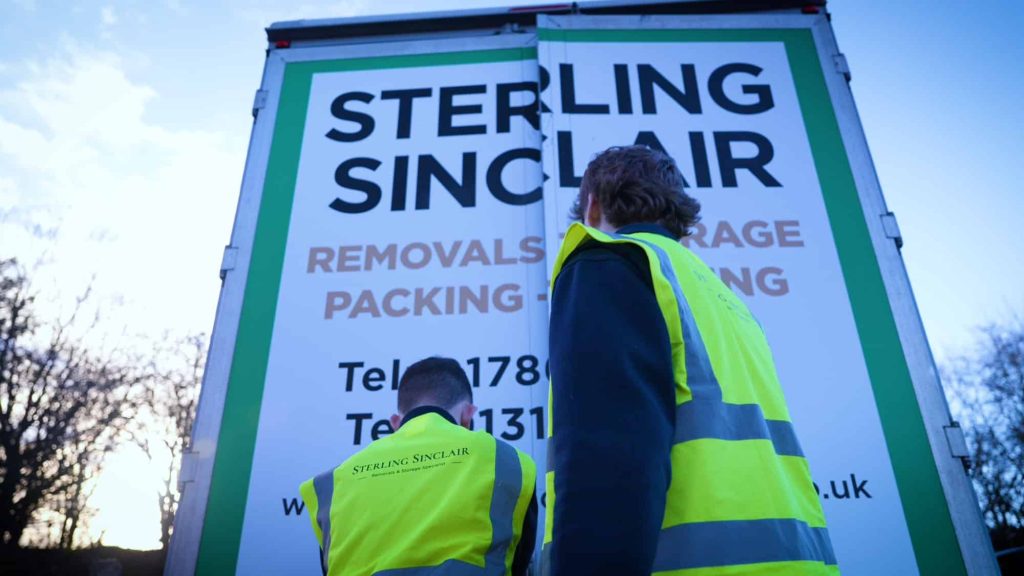
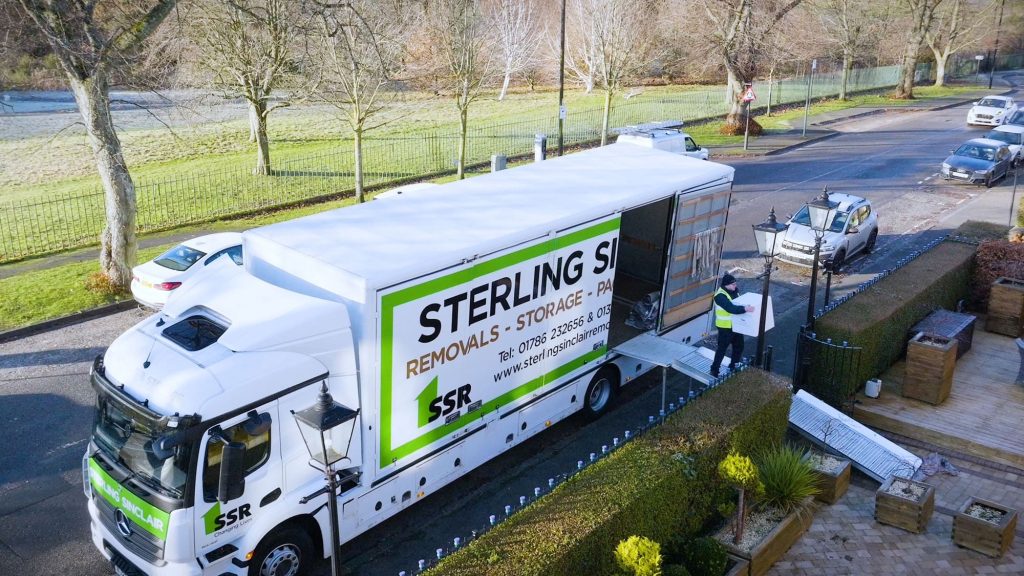
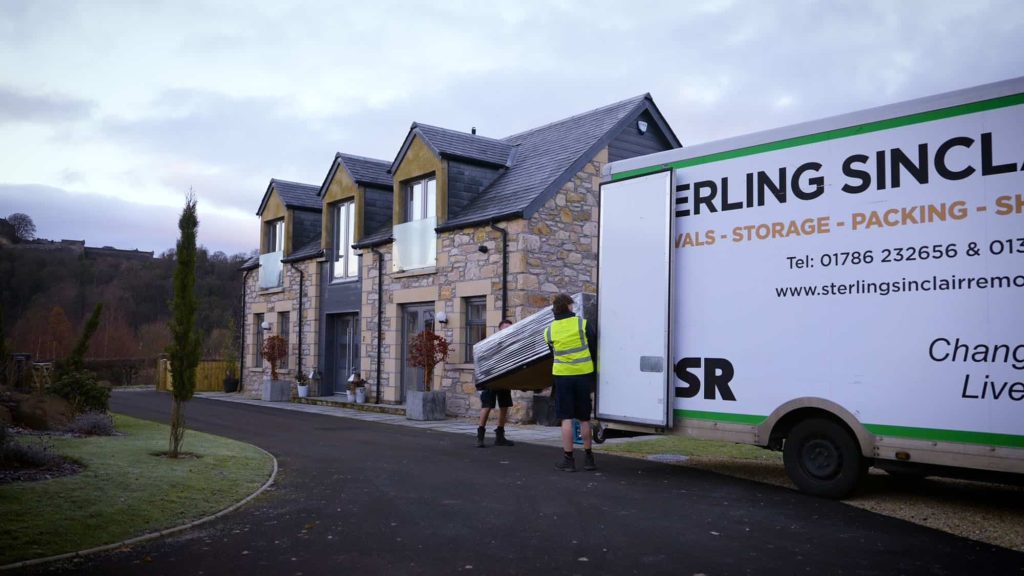
Moving offices can feel like a huge mountain to climb. One minute your team is happily working away, and the next you are knee-deep in boxes, cables, furniture plans, lease dates, and a long to-do list that seems to grow by the hour. Still, with the right planning and support, an office move does not have to turn into chaos.
For many businesses, relocating is a sign of growth. Maybe your company needs more room, a better location, improved facilities, or easier access for staff and clients. Whatever the reason, the moving process needs more than muscle and vans. It takes timing, organisation, communication, and a clear strategy. That is exactly why professional help matters.
When it comes to office removals Edinburgh businesses need a service that understands how to move more than just furniture. Computers, filing systems, confidential documents, specialist equipment, meeting room furniture, and day-to-day operations all need to be handled carefully. At the same time, businesses want to keep downtime low and stress levels under control. That is where Sterling Sinclair Removals can make all the difference.
Why Office Moves Need a Different Approach
A house move and an office move may seem similar on the surface, but they are worlds apart. With a business relocation, there is often much more at stake. Delays can affect customers. Poor planning can interrupt operations. Damaged equipment can cost money and slow the team down. In short, there is no room for winging it.
An office move usually involves:
- Multiple Departments
- Valuable IT Equipment
- Important Business Documents
- Furniture That Must Be Reassembled
- Tight Deadlines
- Coordination With Staff, Suppliers, And Building Managers
That is why choosing an experienced company such as Sterling Sinclair Removals is a smart move. A professional office removals team understands how to manage commercial relocations efficiently while helping businesses avoid unnecessary disruption.
Start Planning Early
Here is the golden rule: the earlier you start, the easier the move becomes.
Leaving office relocation plans until the last minute is a recipe for stress. Even a smaller office move can involve a surprising number of tasks. Ideally, businesses should begin planning several months in advance, especially if the move includes a larger team, specialist equipment, or a phased relocation.
Start by creating a moving timeline. Break the process into manageable steps and assign responsibilities where needed. Once everything is written down, the whole job feels less overwhelming.
Your planning timeline should include:
- A Target Moving Date
- A Detailed Inventory Of Furniture And Equipment
- A Packing Schedule
- Staff Responsibilities
- IT Disconnection And Reconnection Plans
- Client And Supplier Notification Dates
- Cleaning And Handover Arrangements
- Building Access And Parking Logistics
The sooner these details are sorted, the less likely it is that something important slips through the cracks.
Carry Out A Full Office Inventory
Before any boxes are packed, it helps to know exactly what is being moved. An office inventory gives you a clear picture of everything in the building and helps you decide what should come to the new premises and what should not.
This is the perfect time to declutter. There is no point paying to move broken chairs, outdated files, or equipment nobody uses anymore. A relocation gives businesses a fresh start, so it makes sense to trim the fat before moving day.
Take stock of:
- Desks, Chairs, And Storage Units
- Computers, Monitors, Printers, And Servers
- Phones And Networking Equipment
- Paper Files And Archive Boxes
- Kitchen Appliances
- Meeting Room Furniture
- Reception Furniture And Décor
- Specialist Tools Or Industry Equipment
Once the list is complete, label what is being moved, recycled, donated, disposed of, or replaced. It is a simple step, but it can save time, money, and hassle later on.
Appoint A Move Coordinator
Every successful office move needs someone steering the ship. Without a main point of contact, things can quickly get muddled.
A move coordinator helps manage communication, keeps tasks on track, and works directly with the removals company. In some businesses, this may be an office manager, operations manager, facilities lead, or another organised team member who can oversee the process from start to finish.
A move coordinator should handle:
- Communication Between Staff And The Removals Team
- The Moving Schedule
- Questions About Packing And Labelling
- Access Arrangements For Both Buildings
- Updates On Delays Or Changes
- Coordination With IT Support And Suppliers
By having one person lead the process, you reduce confusion and give everyone a clear point of contact.
Create A Clear Labelling System
Now, here is where things can either run like clockwork or go completely sideways. If boxes are not clearly labelled, unpacking turns into a scavenger hunt nobody enjoys.
A simple labelling system can make a huge difference. Each box, crate, and item of furniture should be marked according to department, person, or room. Colour coding works particularly well for larger offices.
A good label should show:
- The Department Name
- The Destination Room
- The Employee Name, If Relevant
- A Brief Description Of Contents
- Handling Instructions For Fragile Items
For example, instead of writing “Office Stuff,” go with something like “Marketing Team – Meeting Room Storage – Stationery And Printed Materials.” It is clearer, faster, and much easier for movers and staff to follow.
Protect IT Equipment Properly
Let’s be real, most modern businesses would grind to a halt without their technology. Computers, screens, phones, routers, servers, and shared devices all need extra care during a move.
One of the best business relocation tips is to involve your IT team early. They need time to back up data, disconnect equipment safely, and plan for quick reinstallation at the new site.
To protect IT equipment during office removals Edinburgh businesses should:
- Back Up All Important Data Before The Move
- Photograph Cable Setups Before Disconnecting
- Label Cables And Devices Clearly
- Use Protective Packing Materials
- Transport Sensitive Equipment Separately If Needed
- Test Internet And Power Access At The New Office Before Moving Day
A professional removals company like Sterling Sinclair Removals understands the importance of handling technology carefully. That peace of mind alone can take a big weight off your shoulders.
Minimise Downtime Wherever Possible
Downtime is one of the biggest worries during an office move. Every hour spent offline can affect sales, customer service, and internal productivity. So, the aim should always be to keep disruption to a minimum.
There are a few ways to make that happen. Some businesses move in phases. Others schedule the relocation over a weekend or bank holiday to reduce impact on working hours. Remote working can also help bridge the gap while the new space is being set up.
Ways to reduce downtime include:
- Scheduling The Move Outside Normal Business Hours
- Moving Non-Essential Items First
- Keeping Essential Staff Informed At Every Stage
- Preparing Workstations At The New Site In Advance
- Testing Phones, Broadband, And Systems Before Reopening
- Creating A Temporary Remote Working Plan
The key is to treat business continuity as part of the moving plan, not an afterthought.
Communicate With Staff Early And Often
An office move affects people, not just property. Staff need to know what is happening, when it is happening, and what is expected of them. Good communication can help reduce uncertainty and make the whole transition feel more manageable.
Nobody likes being left in the dark. If employees are unsure about timings, seating arrangements, parking, travel changes, or equipment, they are more likely to feel stressed or frustrated.
Keep staff updated about:
- The Moving Date
- Packing Responsibilities
- Changes To Workstations Or Departments
- Access Information For The New Site
- Any Changes To Travel Or Parking
- Temporary Working Arrangements
It also helps to explain the positives behind the move. Maybe the new office offers more space, better facilities, or a stronger location. When staff can see the bigger picture, they are often more willing to get on board.
Inform Clients, Suppliers, And Service Providers
While it is easy to focus on what is happening inside the business, external communication matters too. Clients, suppliers, couriers, utility providers, and service partners should all be informed in good time.
This helps avoid missed deliveries, billing issues, or communication breakdowns. It also looks professional and reassures customers that your business remains organised during the move.
Be sure to update:
- Your Website Contact Page
- Google Business Profile
- Email Signatures
- Social Media Accounts
- Invoices And Letterheads
- Suppliers And Service Agreements
- Banks And Insurance Providers
A simple email announcement can go a long way in keeping everyone in the loop.
Check Building Access And Parking Restrictions
Edinburgh is a fantastic city for business, but anyone who has dealt with access routes, city centre traffic, loading bays, or parking restrictions knows that logistics can get tricky. This is one reason why local knowledge matters when arranging office removals Edinburgh companies rely on.
Before moving day, confirm:
- Access Times For Both Buildings
- Lift Availability
- Loading Bay Access
- Parking Permissions
- Any Road Restrictions
- Security Sign-In Procedures
- Insurance Requirements From Building Management
These details may not sound glamorous, but they can make or break a moving schedule. A delays-at-the-door situation is the last thing any business wants.
Working with Sterling Sinclair Removals can help smooth out these issues, especially when dealing with local access requirements and office moving logistics.
Pack In A Structured Way
Packing is one of those jobs people tend to underestimate. It always seems straightforward at first, until you realise there are hundreds of individual items spread across multiple rooms and departments.
The trick is to pack in stages and stay organised. Start with items that are not used daily. Leave essential equipment and documents until the final phase. Most importantly, avoid mixing departments together in random boxes. That only causes a headache later.
Packing tips for office moves include:
- Use Strong, Clearly Labelled Boxes
- Keep Cables, Chargers, And Accessories Together
- Wrap Fragile Items Properly
- Pack Confidential Documents Securely
- Avoid Overfilling Boxes
- Create A Box List For Each Department
A structured packing plan makes unpacking much easier and helps your team get back to work faster.
Do Not Forget Confidentiality And Security
Businesses handle sensitive information every day, from financial records and HR documents to client data and internal contracts. During a move, these materials need just as much protection as expensive equipment.
Secure handling should be part of your moving plan from day one. Confidential documents should be packed separately, clearly tracked, and only handled by authorised people.
Security steps to consider:
- Lock Confidential Files In Secure Containers
- Limit Access To Sensitive Documents
- Dispose Of Unneeded Records Safely
- Back Up Digital Files Before Moving
- Use Trusted Professionals For Transport
This is another area where working with a reliable company like Sterling Sinclair Removals can provide reassurance, especially when handling commercial moves where trust is essential.
Prepare The New Office Before Arrival
A smoother move often depends on what happens before the first box even arrives. The new office should be ready to receive furniture, equipment, and staff with as little delay as possible.
That means checking utilities, internet access, furniture layouts, cleaning, signage, and workstation plans ahead of time. Turning up to an unfinished office on moving day can throw the whole process off.
Before the move, make sure the new site has:
- Working Electricity And Lighting
- Broadband And Phone Systems Ready
- A Clear Floor Plan
- Health And Safety Checks Completed
- Clean Workspaces
- Kitchen And Toilet Facilities Prepared
- Any Required Keys, Passes, Or Access Codes
This groundwork can make settling in far easier for everyone involved.
Common Office Relocation Mistakes To Avoid
Even well-run businesses can slip up during a relocation. The good news is that most common problems are avoidable with proper planning.
Here are some of the biggest mistakes businesses make:
- Leaving Planning Too Late
- Failing To Label Boxes Properly
- Underestimating IT Requirements
- Not Informing Staff Early Enough
- Forgetting To Update Business Addresses
- Trying To Move Everything Without Decluttering
- Overlooking Access And Parking Restrictions
- Choosing A Removals Team Without Commercial Experience
Avoiding these issues can save time, money, and a fair amount of frustration.
Why Choose Sterling Sinclair Removals?
When businesses need dependable support with office removals Edinburgh, working with an experienced local team can make all the difference. Office relocations need more than transport alone. They need planning, care, flexibility, and a team that understands how to keep disruption to a minimum.
Sterling Sinclair Removals offers a professional approach to business moves, helping companies relocate efficiently and with less stress. From careful handling of office furniture and equipment to smooth coordination on moving day, having the right removals partner can help businesses stay organised from start to finish.
Whether your company is moving to a larger office, downsizing, or shifting to a more strategic location in Edinburgh, expert support can turn a complicated project into a more manageable one.
FAQs About Office Removals Edinburgh
How far in advance should I plan an office move?
It is best to start planning as early as possible. For larger office moves, several months of preparation is ideal. Smaller offices may need less time, but early planning always gives you more control.
How can I reduce business disruption during relocation?
Schedule the move outside regular working hours if possible, prepare the new office in advance, involve IT early, and consider remote working options during the transition.
Should employees pack their own desks?
In many cases, yes. Employees can pack personal and day-to-day desk items, while specialist equipment, shared resources, and sensitive materials should be managed more carefully.
What should I do with old furniture and unused equipment?
A move is a great time to declutter. Businesses can recycle, donate, dispose of, or replace unwanted items rather than paying to move things they no longer need.
Why hire a professional office removals company?
A professional team brings experience, equipment, and organisation to the process. This helps reduce downtime, prevent damage, and make the move more efficient overall.
Final Thoughts
An office relocation is a big step, but it does not need to be a painful one. With proper planning, clear communication, and the right removals support, businesses can move in a way that protects productivity and keeps disruption to a minimum.
The most successful moves come down to preparation. Start early, stay organised, protect valuable equipment, communicate with your team, and work with professionals who understand commercial moving inside and out.
For businesses looking for trusted help with office removals Edinburgh, Sterling Sinclair Removals offers the experience and support needed to make business relocation simpler, smoother, and far less stressful. When every detail matters, having the right team by your side can make the whole process feel a lot more manageable.