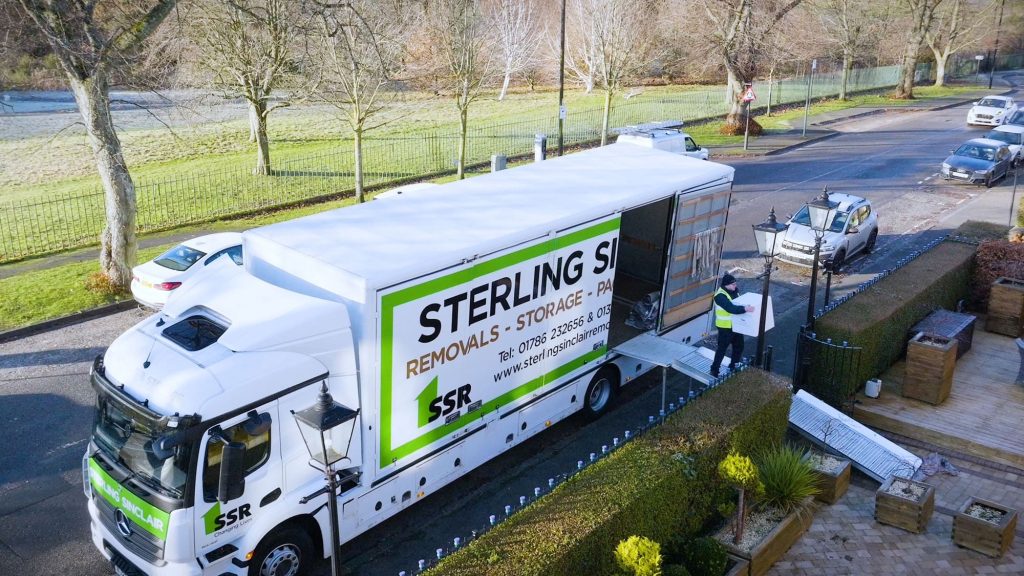
Moving from a flat to a house is an exciting change, whether you are gaining a garden, an extra bedroom, a driveway or simply more breathing room. It can also bring practical surprises: more furniture to place, more rooms to heat, more outside space to maintain and a move that needs planning beyond the lift and shared hallway.
At Sterling Sinclair Removals, we see that a successful move is usually shaped well before the removal vehicle arrives. From checking staircases and parking to deciding what will go into each new room, preparation helps you enjoy the extra space rather than feel overwhelmed by it.
A house may be larger, but it does not automatically make everyday life simpler. Understanding what changes lets us make sensible decisions about packing, budgets, access, storage and settling in.
The move itself has different access challenges
Leaving a flat often means working around communal entrances, booking a lift, protecting shared areas and arranging temporary parking close to the building. A house usually removes some of those restrictions, but it introduces its own access considerations, including driveways, steps, longer paths and more than one floor.
Before moving day, check both addresses in person where possible. Measure narrow entranceways, hallways and stair turns, particularly if you own large sofas, wardrobes, beds or appliances that may not fit through in one piece.
We plan removals around the volume of belongings, property access, travel distance and the level of help required. Giving a removals team early notice of a heavy American-style fridge, piano, large artwork or awkward corner sofa allows appropriate vehicle space, protective materials and handling equipment to be arranged.
Parking deserves as much attention as packing
A driveway can make loading straightforward, but do not assume it is suitable for a removal vehicle. Check its width, gradient, overhead branches, gates and whether the vehicle will need to park on the road instead.
- Confirm any parking restrictions, permits or timed bays near each property.
- Tell neighbours if a vehicle may briefly affect access to shared space or a narrow road.
- Keep the route from the vehicle to the front door clear of bins, pots, bicycles and loose garden furniture.
- Ask whether the house has fragile flooring, freshly painted walls or a particularly tight staircase that needs extra care.
For more practical timing and preparation ideas, our eight-week moving house checklist can help turn the final weeks into manageable tasks rather than a last-minute rush.
More space changes what you take with you
A common mistake is assuming that a larger house means everything from the flat should come along. Extra rooms can make it tempting to keep items “just in case”, yet moving and storing things you do not use adds cost, unpacking time and clutter.
Start with a realistic inventory, room by room. Include cupboards, storage beds, loft lockers, balconies, sheds and any belongings stored with family, as these are often missed when estimating the size of a move.
Decide the purpose of each room before packing
A spare room could become a guest bedroom, office, nursery or simply a temporary storage space, but it cannot do all of these at once. Having a provisional plan prevents boxes being unloaded into random rooms and forgotten for months.
Use four clear categories: take, sell or donate, recycle, and dispose of responsibly. This approach is particularly useful for duplicate kitchen equipment, worn furniture that no longer suits the house, old paperwork and possessions that have been kept only because flat storage was limited.
It is also worth resisting the urge to buy lots of new furniture before you move. Room dimensions can feel very different in person, and waiting until you have lived in the house for a few weeks can prevent expensive purchases that do not fit your layout or needs.
Packing needs a room-by-room system
House moves usually involve more cupboards, more furniture and a greater number of destination rooms. That is why clear labels matter: an unlabelled box may still reach the right house, but it can slow unloading and make the first few days much harder than necessary.
Label each box with the destination room, a short description of its contents and a handling note where needed. For example, “Kitchen – everyday plates”, “Main bedroom – bedside lamps” or “Study – files – keep upright” gives everyone a useful instruction without requiring a long list on every carton.
Pack for weight as well as quantity
Books, records, tools and crockery can make a box dangerously heavy very quickly. Use smaller, sturdy boxes for dense items and fill gaps with suitable packing paper so contents do not shift in transit.
Fragile belongings need more than simply being placed inside a standard box. Glassware, ornaments, artwork, electronics and mirrors should be individually protected with materials suited to their shape, then packed so they cannot move or carry the weight of other items.
In our day-to-day removals work, customers often underestimate how long careful packing takes. If time is short, a professional packing service can be a practical option, especially for breakables, large collections, busy households or moves where completion dates leave little room for delay.
Furniture placement is more important in a house
In a flat, furniture may have been arranged around limited wall space and compact rooms. A house gives greater choice, but it also makes it easier to create rooms that look empty, block natural light or lack enough storage.
Create a simple floor plan using property measurements and furniture dimensions. It does not need to be perfect; even a sketch helps identify whether a bed will fit beneath a sloping ceiling, whether a dining table leaves enough walking space or whether a wardrobe needs dismantling before it can travel upstairs.
Think about the unloading order
Essentials and large furniture should go in first, followed by boxes for that room. Beds, sofas, white goods and key storage units are often best positioned before a space fills with cartons.
Where furniture needs to be dismantled for transport, keep fittings in labelled bags and attach or store them safely with the relevant item. Confirm in advance whether reassembly is included, particularly for wardrobes, beds and other pieces that cannot reasonably be placed in the new property intact.
For a clearer picture of what can be planned around your property and belongings, see our tailored house removals service. A useful quotation should reflect access, volume, distance, staffing, packing, storage and any specialist handling requirements rather than relying on a one-size-fits-all estimate.
Your new responsibilities extend beyond the front door
One of the biggest differences between flat and house living is that you are often responsible for more of the building and land. Even where a factor, residents’ association or shared arrangement still applies, a house commonly brings direct decisions about repairs, security and maintenance.
Make a list of tasks that need attention during the first month, separating urgent safety checks from jobs that can wait. This reduces the pressure to address every imperfection immediately after a demanding move.
- Locate the stopcock, fuse box, boiler controls, meters and any alarm information.
- Test smoke and carbon monoxide alarms, and replace batteries where required.
- Check windows, exterior doors, locks, gutters, fences and visible roof concerns.
- Arrange contents and buildings insurance appropriate to your circumstances.
- Record opening meter readings and notify utility providers promptly.
Outdoor space is rewarding but brings recurring work. A garden may need mowing, pruning, weeding, drainage checks, secure boundaries for children or pets, and a plan for storing tools, bins and outdoor furniture through the Scottish weather.
Budget for gradual improvements
Decorating, flooring, shelving and garden work can quickly become expensive when planned all at once. Prioritise safety, warmth, security and essential function first, then make cosmetic changes as you get to know the property.
Costs and admin can look different after the move
A larger property may have higher heating costs, Council Tax, insurance premiums and maintenance needs than a flat. The exact change depends on the property, its energy efficiency, location and existing arrangements, so check the paperwork rather than relying on assumptions.
Set aside a contingency fund for early house costs, such as replacement locks, curtains or blinds, basic tools, garden equipment and small repairs discovered after moving in. This is not about expecting the worst; it is about avoiding financial strain when several ordinary costs arrive together.
Update your address with banks, employers, schools, GP and dental services, insurers, subscriptions and vehicle records. If you are moving after a tenancy ends or before a purchase completes, keep key dates in writing and discuss a backup plan with the parties involved.
When dates do not align, storage can prevent rushed decisions. We can collect belongings for storage and arrange redelivery when you are ready, which can be especially useful if you need to leave a flat before keys for the house are available.
Give yourselves time to settle into a different routine
The emotional change is easy to overlook. A house can feel quiet or unfamiliar at first, and the extra rooms may make unpacking seem never-ending, particularly after living in a compact flat where everything was close at hand.
Focus on making a small number of spaces comfortable straight away: the bedrooms, bathroom, kitchen and one living area. Prepare an essentials box with medication, chargers, toilet roll, mugs, bedding, basic cleaning supplies, snacks and important documents so you are not searching through cartons on the first night.
Unpack in useful stages rather than chasing perfection
Start with daily essentials, then storage and clothing, then less-used belongings. It is normal for a home to take weeks to feel settled, and living in the space will show you what storage or furniture is genuinely needed.
If this is your first move into a house, our first-home shopping list offers useful reminders for the practical items that are easy to overlook amid the larger decisions.
What We Get Asked…
Is moving from a flat to a house more expensive?
It can be, because there may be more belongings, longer carrying distances, stairs, larger furniture and additional packing or storage needs. The most accurate way to understand the cost is to provide details of both properties, access, dates and any items requiring special handling.
Should we unpack every box immediately?
No. Unpack essentials first and work through the rest by room and priority. Keeping clearly labelled non-essential boxes closed until you need them can also reveal possessions that could be donated or stored elsewhere.
What if completion is delayed after we leave our flat?
Tell your removals provider as early as possible and discuss storage or a revised delivery arrangement. Clear communication around keys, completion dates and collection times gives everyone the best chance to adapt calmly if plans change.
Do we need to measure furniture before booking a removal?
Measurements are very helpful for large or awkward pieces, especially where there are tight turns, narrow stairs or low ceilings. Photos of access routes and furniture can also help identify likely challenges before moving day.
Our Final Thoughts
Moving from a flat to a house is more than a change of address: it is a shift in space, responsibilities and daily routines. With an honest inventory, clear packing labels, careful access checks and a realistic settling-in plan, the transition can feel organised and positive.
We recommend arranging your removal early, particularly when dates, access or storage could complicate the plan. Contact Sterling Sinclair Removals to discuss your flat-to-house move, and we will help assess the practical details needed for a considered quotation and a smoother moving day.